Welcome To My Personal World of Warcraft blog
-

How a Quick WoW PvP Carry Helps You Claim Exclusive Gladiator Mounts Without Arena Frustration
The Prestige and Difficulty of Earning Seasonal Gladiator Mounts Earning a seasonal Gladiator mount in World of Warcraft represents one of the most prestigious accomplishments in online gaming, granting an exclusive, armored flying dragon that permanently displays your high-level combat mastery. Unlike standard dungeon drops or achievement mounts that remain available in future expansions, seasonal…
-
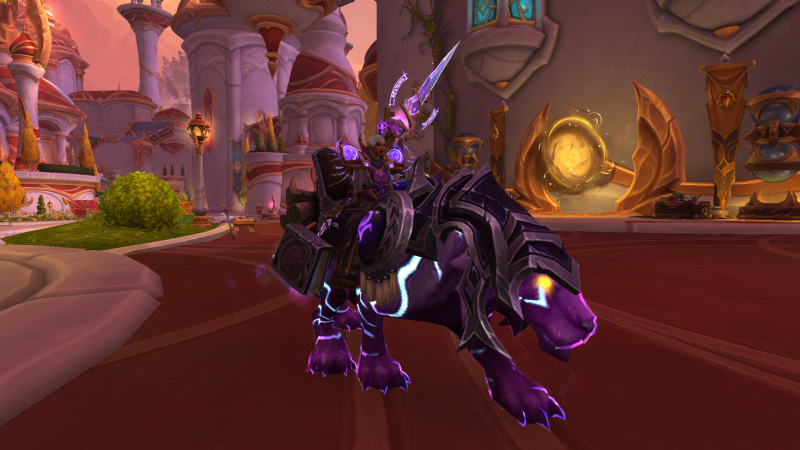
Secure Your Best in Slot Class Armor Fast by Using a WoW Raid Boost for Your Character
The Financial and Tactical Value of Best-in-Slot Gear In the highest levels of endgame content, your gear is the single most significant factor determining your combat efficiency. Whether you are dealing massive damage in a raid or keeping your party alive during an intense boss phase, a high-tier armor piece provides the base stats and…
-

Understanding the WoW Classic Black Market: How Gold Selling and Botting Inflated the Server Economies
The World of Warcraft (WoW) Classic experience has reignited interest in the game’s economy, especially regarding the black market for gold selling and botting. These practices have distorted the traditional in-game economy, leading to inflated prices for essential items and services, thus affecting player experience and gameplay balance. This guide aims to explore the dynamics…
-

A Beginner’s Handbook to Classic WoW: Mistakes to Avoid During Your First Playthrough
World of Warcraft Classic offers a nostalgic return to the roots of the beloved MMORPG, but it can be a daunting journey for newcomers. With its slower-paced leveling, intricate mechanics, and unique challenges, new players often find themselves making critical mistakes that can hinder their gameplay experience. This guide aims to highlight common pitfalls and…
-

Tauren Spirituality: The Earth Mother’s Faithful Children
Tauren carry WoW’s most developed spiritual tradition. Their connection to the Earth Mother defines their entire culture. This guide covers tauren beliefs, spiritual practices, and how a peaceful race joined the warrior Horde. Tauren Spiritual Foundations Tauren spirituality centers on the Earth Mother deity. Key beliefs include: These beliefs make tauren natural druids and shamans…
Turning Lost Keys Into Rating Gains With Mythic Plus Boost
Why Lost Keys Are Common in Mythic Plus
Lost keys are common in Mythic Plus because success depends on many factors working together at the same time. In World of Warcraft, a single mistake can decide whether a dungeon is timed or depleted. Missed interrupts, poor pulls, deaths during boss fights, or slow pacing all add up quickly. When these issues happen early, groups often lose confidence, and the run falls apart before it can recover.
Group Finder adds another layer of risk. Players join with different goals and experience levels. Some want a clean timed run, others just want completion, and some are still learning the dungeon. These mismatched expectations lead to tension and bad decisions. If one pull goes wrong or the timer looks tight, players may leave instead of trying to finish. This instantly turns a key into a loss.
Time pressure also plays a role. Many players attempt Mythic Plus runs late in the week when they are trying to fill Vault slots or improve rating before reset. Stress increases, mistakes happen more often, and patience drops. Instead of clean runs, keys get depleted one after another. Over time, players notice that effort does not always lead to progress. Lost keys become a normal part of Mythic Plus, especially for solo players relying on random groups.
How Lost Keys Affect Mythic Plus Rating
Lost keys have a direct impact on Mythic Plus rating because rating only improves when dungeons are completed at higher levels. A depleted key often means no rating gain or very small progress. When this happens repeatedly, players get stuck running the same key levels again and again. Instead of pushing forward, they spend time trying to recover lost ground.
Another issue is dungeon coverage. Mythic Plus rating depends on completing many different dungeons. If keys are lost in certain dungeons, those scores remain low. Even if a player performs well in other dungeons, missing scores hold the total rating back. This creates a wall where progress slows down, even though time and effort are spent every week.
Lost keys also affect confidence. After several failed runs, players may avoid pushing higher keys. They choose safer levels to avoid failure, but this also limits rating gain. Over time, this pattern keeps players at the same rating range. What should be a steady climb turns into a cycle of small gains and repeated losses. This is when many players start looking for a way to turn failed attempts into real progress instead of wasted time.
Why Rating Progress Feels Unstable
Rating progress feels unstable in Mythic Plus because success is not consistent from run to run. One dungeon may go perfectly, while the next fails due to factors outside a player’s control. Group quality changes every run, and even strong players can struggle when coordination is missing. This makes rating gains feel random instead of earned.
Limited playtime makes this worse. Players who can only run a few keys each week have little room for failure. One lost key can cancel out the value of the entire session. When this happens several weeks in a row, rating barely moves. The effort is there, but the results are not.
Pressure to time every run also affects performance. Players may rush pulls, take unsafe risks, or push damage instead of staying alive. These choices often lead to wipes and lost keys. Rating systems reward clean completion, not risky play. When mistakes stack up, progress stalls.
This instability is why some players turn to Mythic Plus Boost options. Boosting replaces uncertainty with completion and helps convert lost keys into finished runs. Instead of repeating the same failures, players focus on building rating through successful dungeon clears that count.
What a Mythic Plus Boost Changes
A Mythic Plus Boost changes the outcome of dungeon runs by removing the main reasons keys are lost. Instead of hoping a group performs well, players join a team that is prepared to finish the dungeon cleanly. Routes are known, pulls are planned, and pacing stays steady from start to finish. This reduces deaths, avoids wasted time, and keeps the run on track.
Another key change is commitment. Boost runs are built around completion, not practice or trial attempts. There is no risk of players leaving after one mistake. Everyone involved knows the goal and stays until the dungeon is finished. This alone prevents many of the key losses that happen in random groups.
Time use also improves. Players complete a dungeon in one focused session instead of spreading attempts across multiple failed runs. This makes rating progress easier to plan. Instead of losing keys and rebuilding, players finish runs that actually count. A Mythic Plus Boost turns effort into results and replaces uncertainty with steady progress.
How Boosting Turns Failed Keys Into Rating Gains
Boosting turns failed keys into rating gains by focusing on dungeons that matter most for score. Players often lose rating progress because certain dungeons remain incomplete or stuck at low levels. A boost targets these weak points and raises scores where they are missing.
Instead of pushing the same depleted key again, players complete a higher-level version of the dungeon with a clean finish. This adds rating directly and improves overall coverage. Boost runs also avoid unnecessary risks, which keeps keys from being depleted again.
Below is a simple table showing the difference between repeated failures and boosted runs:
| Aspect | Repeated Failed Runs | Mythic Plus Boost |
|---|---|---|
| Dungeon completion | Uncertain | Guaranteed |
| Rating gain | Low or none | Reliable |
| Time spent | High | Planned |
| Key stability | Poor | Stable |
By finishing runs that count, players see their rating move instead of staying stuck.
Rating-Focused Boosting Strategies
Players use Mythic Plus Boosts with clear rating goals in mind. The focus is not just finishing a dungeon, but finishing the right ones at the right level. This approach builds rating efficiently instead of wasting time.
Common rating-focused strategies include:
- Completing dungeons with the lowest scores first
- Running higher keys in dungeons already mastered
- Avoiding risky key levels that often fail
- Spreading runs across different dungeons for better coverage
These strategies help players move past rating walls. By paragraph six, the result is clear. Mythic Plus Boost turns lost keys into completed runs and steady rating gains. Instead of repeating failures, players finish dungeons, protect their time, and build rating with consistent results.