
Endgame open-world zones have evolved far beyond casual filler content. With scaling difficulty, layered objectives, and meaningful rewards, these zones now compete directly with dungeons and raids as legitimate progression paths.
The open world is no longer a step below instances—it is an alternative endgame pillar.
The Shift Away From Instance-Only Progression
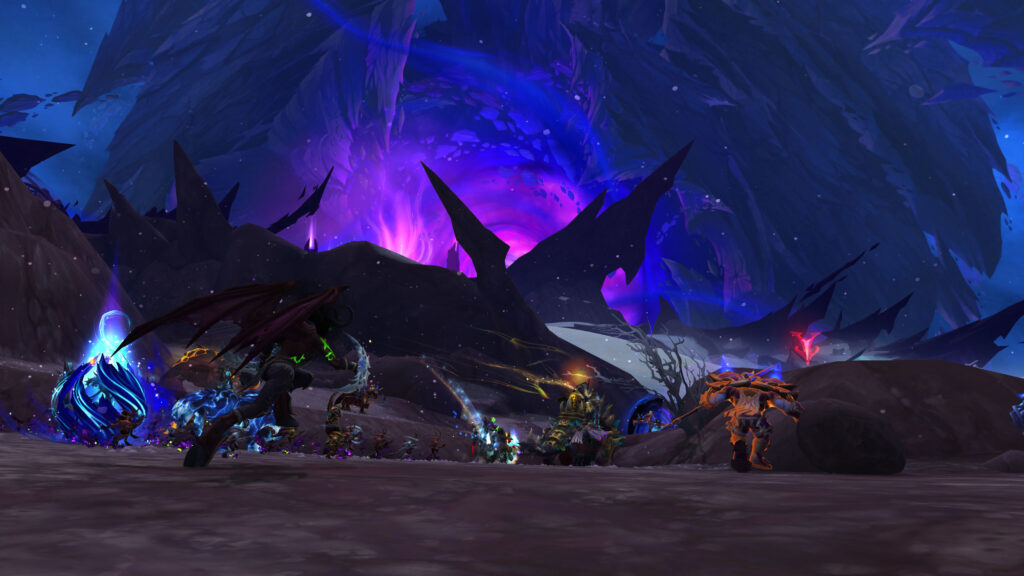
For years, meaningful progression was locked behind instanced content with fixed group sizes and schedules. Open-world zones primarily served as preparation or downtime activities.
Modern design breaks that hierarchy by embedding progression directly into shared spaces.
Difficulty That Scales With Participation
Endgame zones now adjust pressure based on player count and engagement. Enemies hit harder, mechanics stack, and failure carries consequences.
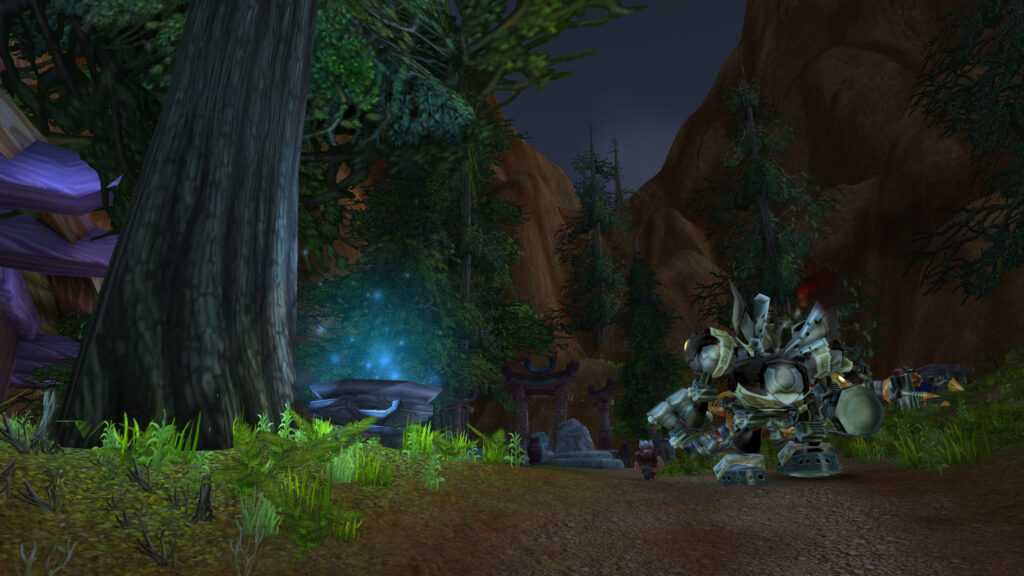
This scaling preserves challenge without requiring formal group assembly.
Reward Structures That Compete With Instances
Open-world rewards are no longer cosmetic-only. They support real advancement.
- Gear upgrades that bridge competitive gaps
- Account-wide progression currencies
- Time-gated power systems tied to participation
- Prestige cosmetics earned through difficulty
Effort in the open world now translates into tangible power.
Freedom Without Loss of Progress
Unlike instances, open-world zones allow players to enter and exit freely. Short sessions remain productive, reducing dependency on rigid schedules.
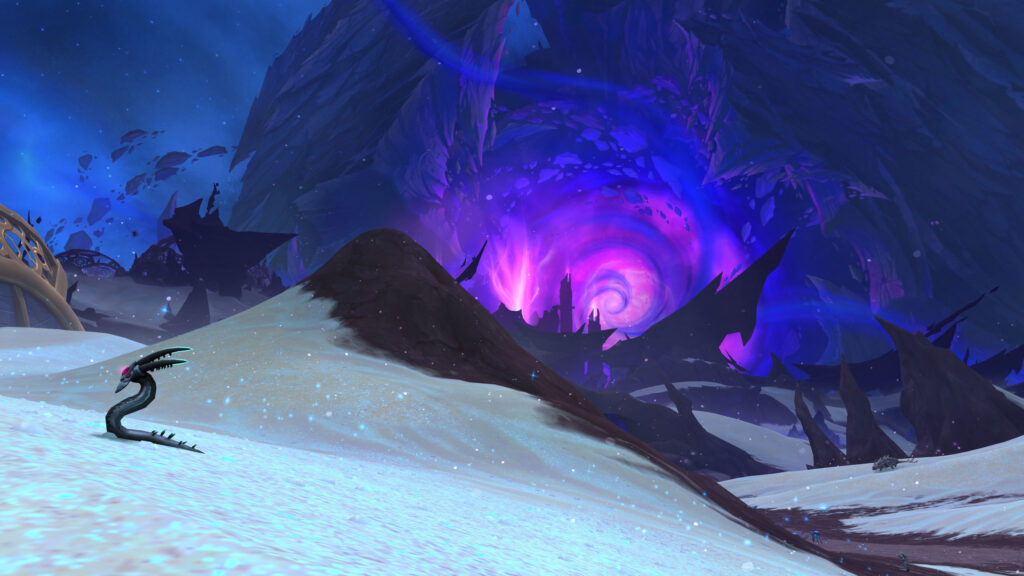
This flexibility expands who can participate in endgame content.
Social Play Without Formal Coordination
Players cooperate organically through shared goals. Temporary alliances form naturally, often without voice chat or planning.
The world itself facilitates teamwork.
Complementing Instanced Content
Rather than replacing raids or dungeons, open-world endgame supports them. Players arrive better prepared, geared, and less burned out.
Multiple progression paths strengthen retention.
Conclusion
Endgame open-world zones now rival instanced content in both rewards and difficulty. By offering scalable challenge, meaningful progression, and flexible participation, they stand as a full-fledged alternative within the endgame ecosystem.


