

Every expansion in World of Warcraft tells its story through quests, cinematics, raids, and world events—but one of the most overlooked storytelling tools is currency. From valor points to war resources, apexis crystals to anima, and Dragonflight’s flightstones to The War Within’s new crest tiers, each currency serves as a quiet reflection of the systems, themes, and philosophies defining its era. Currencies track what Blizzard values, how they want players to progress, and what they expect the community to pursue.
This article explores how currencies across the years reveal the identity of each expansion, why they matter far beyond their numerical purpose, and how they shape the tempo of progression for millions of players.
The Birth of WoW’s Currency System
In classic WoW, the concept of modern currencies barely existed. Gold was the universal standard, and most forms of progression required raw farming or boss drops. But as the game grew, Blizzard needed more elegant ways to track advancement. Badges, tokens, points, crystals—all of these were introduced not simply for reward management but to reflect each expansion’s themes.
This evolution turned currency into a narrative tool rather than just a mechanical one.
Every Currency Reflects Its World
Currencies never appear randomly. Each one is tied to the threats, politics, or cultural systems of the expansion where it appears. Valor points represented structured PVE progression. Apexis crystals signaled a militarized Iron Horde war economy. Anima represented soul energy and spiritual imbalance in the Shadowlands. Dragonflight’s flightstones highlight movement and craftsmanship across the Dragon Isles.
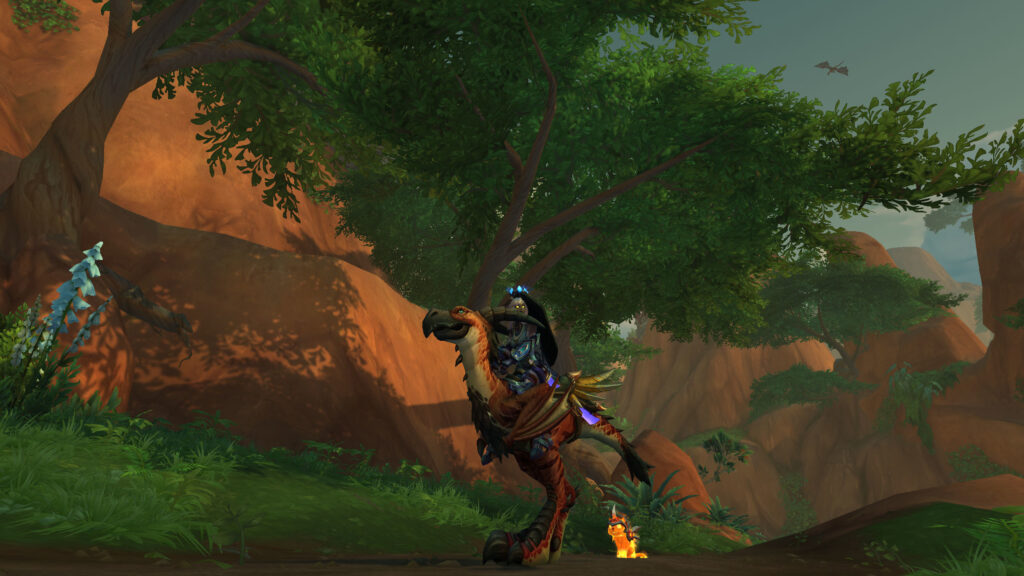
These choices tell players what kind of world they’ve stepped into.
Case Study: Currency Identity Across Expansions
The nature of a currency shows what Blizzard emphasises: grinding, adventure, crafting, war efforts, or exploration. When placed side-by-side, they create a surprisingly clear timeline of WoW’s design philosophies.
| Expansion | Key Currency | What It Symbolized |
|---|---|---|
| Burning Crusade | Badges of Justice | Dungeon progression & heroic difficulty |
| Wrath of the Lich King | Emblems | Structured tier-based advancement |
| Mists of Pandaria | Lesser Charms | Routine daily engagement |
| Draenor | Apexis Crystals | Military resource & garrison power |
| Legion | Order Resources | Class fantasy & Hall progression |
| Shadowlands | Anima | Soul essence & afterlife imbalance |
| Dragonflight | Flightstones & Crests | Crafting culture & open progression |
This pattern reveals shifting priorities—from daily grinds to alt-friendliness, from war themes to exploration.
Currencies as a Narrative Layer
It’s easy to see currencies as arbitrary tokens, but Blizzard uses them to reinforce the world’s tone. In Legion, Order Resources reminded players they were leading class armies. In Shadowlands, Anima emphasized the drought affecting the afterlife. In Battle for Azeroth, War Resources fueled the faction conflict and expedition efforts. Each currency echoed the central storyline, often more consistently than quest dialogue.
This subtle storytelling method becomes especially clear when expansions shift tone mid-cycle.
Patch Currencies: Mini-Stories Within Expansions
Patches often introduce discrete currencies that symbolize the new threats emerging in the story. For example, Legion’s Nethershards signaled demonic invasions. BfA’s Seafarer’s Dubloons represented naval expeditions. Dragonflight’s parchments, crests, and stones signal a world built around exploration rather than war. These patch currencies serve as short-term narrative markers of what players should be doing right now.
They also prevent older systems from overshadowing new content.
The Balance Between Flavor and Function
A currency must feel grounded in the world, but it also needs clear gameplay purpose. When the balance leans too far toward flavor, players feel confused or overwhelmed. When it leans too mechanical, it feels disconnected. The most successful currencies—like Legion’s resources or Dragonflight’s crests—strike a middle path, providing narrative flavor and strong mechanical clarity.
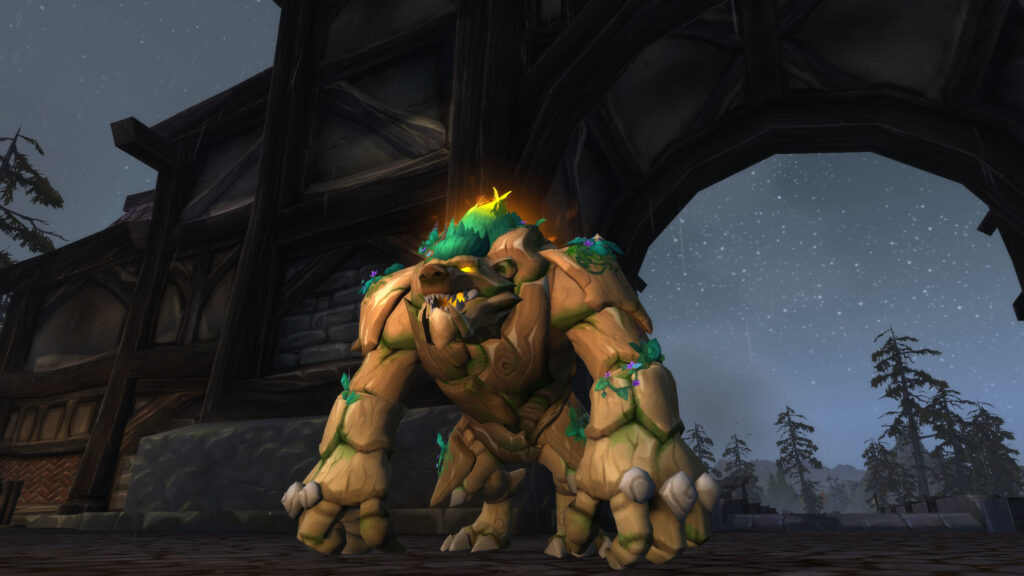
This balance helps guide player psychology toward consistent goals.
Currencies Reduce Friction and Shape Progression
Blizzard uses currencies to moderate the speed of progression. Instead of tying gear upgrades solely to drops, currencies act as a counterbalance to RNG. They ensure steady advancement even in unlucky weeks. This creates a smoother experience and keeps players feeling rewarded. Currencies essentially act as a pacing tool, shaping each player’s leveling curve through the patch or expansion.
Currencies aren’t just rewards—they are progression control levers.
The Rise of Account-Wide Systems
Recent expansions increasingly emphasize alt-friendliness through account-wide currency systems. Dragonflight’s crest updates, for example, allow alts to jump into relevant content without weeks of grinding. Shadowlands eventually shifted many currency unlocks to account-wide to reduce repetition. As Blizzard evolves, currencies are becoming a unifying experience across your roster rather than barriers to rerolling.
This shift marks a philosophical change: progression is now warband-level, not character-level.
The Emotional Value of Currency Progression
Players bond with currencies more than they realize. They represent achievement, time investment, and narrative participation. Seeing a large stockpile of Valor or flightstones symbolizes readiness. Watching currencies drain during crafting represents commitment. Even the names themselves—Echoes, Tokens, Anima—carry emotional resonance tied to the stories players lived.
Currencies become souvenirs of whole expansions.
Conclusion
Azeroth’s currencies do far more than fill menus—they are one of Blizzard’s most subtle and clever storytelling tools. They embody the themes of each expansion, track the rhythm of player progression, and guide engagement through meaningful systems. Whether gathering Anima in the afterlife, stockpiling crests in the Dragon Isles, or collecting badges in Burning Crusade, players participate in the mechanical and narrative heartbeat of the world.
Every currency tells a story—and together, they form the economic history of World of Warcraft itself.


