
Each expansion in WoW introduces new gameplay elements, stories, and challenges, but not all of them leave a lasting positive impression. While some expansions continue to be fondly remembered and replayed, others are viewed as frustrating missteps. What makes certain expansions age gracefully while others are largely forgotten or criticized? Let’s break down the key factors that determine whether an expansion stands the test of time or fades into obscurity.
Engaging and Replayable Content
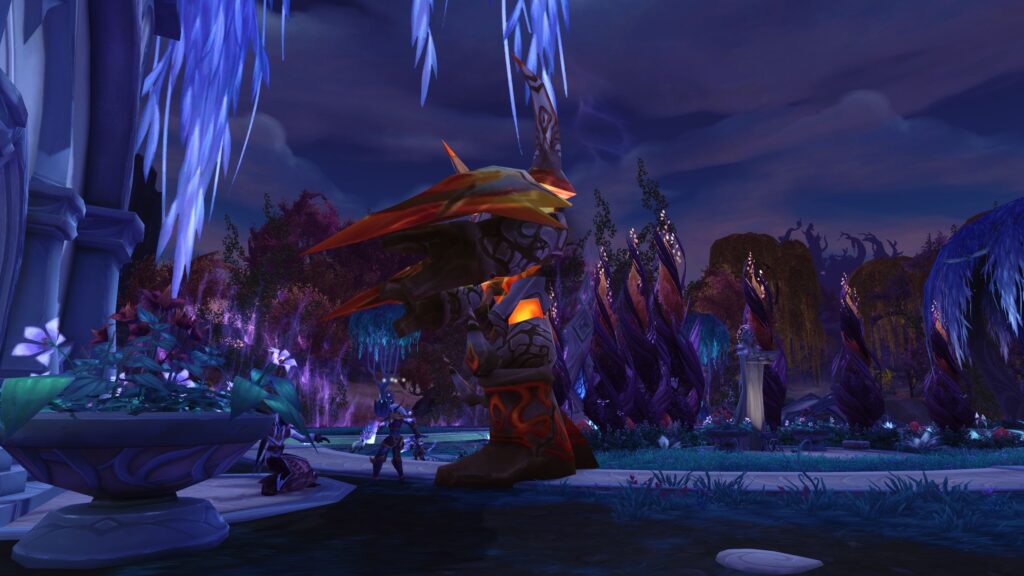
One of the biggest reasons some expansions remain popular is the presence of content that stays relevant years after the expansion ends. Expansions like Wrath of the Lich King and Legion introduced raids, dungeons, and world content that players still revisit today, whether for transmog, mounts, or simply the quality of the gameplay experience.
Take Wrath of the Lich King as an example. Its raids, such as Ulduar and Icecrown Citadel, remain among the most beloved in WoW’s history. These raids weren’t just mechanically engaging—they also tied deeply into the overarching lore, making them feel meaningful. Similarly, Legion’s Mythic+ dungeon system completely transformed dungeon gameplay, ensuring that players had a reason to keep running content long after the expansion had ended.
By contrast, expansions like Warlords of Draenor suffered from a lack of replayable content. While its leveling experience was praised, the endgame felt shallow. The garrison system, while an interesting experiment, ultimately discouraged players from exploring the world. Without strong, lasting content to keep players engaged, Warlords of Draenor became one of the least fondly remembered expansions.
Balanced and Rewarding Progression Systems
Another key factor in how well an expansion ages is the way it handled character progression. Expansions with well-balanced gearing systems tend to be remembered more fondly than those that overcomplicated progression with unnecessary grind.
For example, in Wrath of the Lich King, the badge system for gear upgrades was straightforward and effective. Players could earn gear at a reasonable pace without needing to engage in convoluted mechanics. In contrast, Battle for Azeroth introduced Azerite Armor—a system that many players found tedious and frustrating. Not only was it confusing, but it also required players to constantly re-farm Azerite Traits whenever they acquired a new piece of gear, leading to burnout.
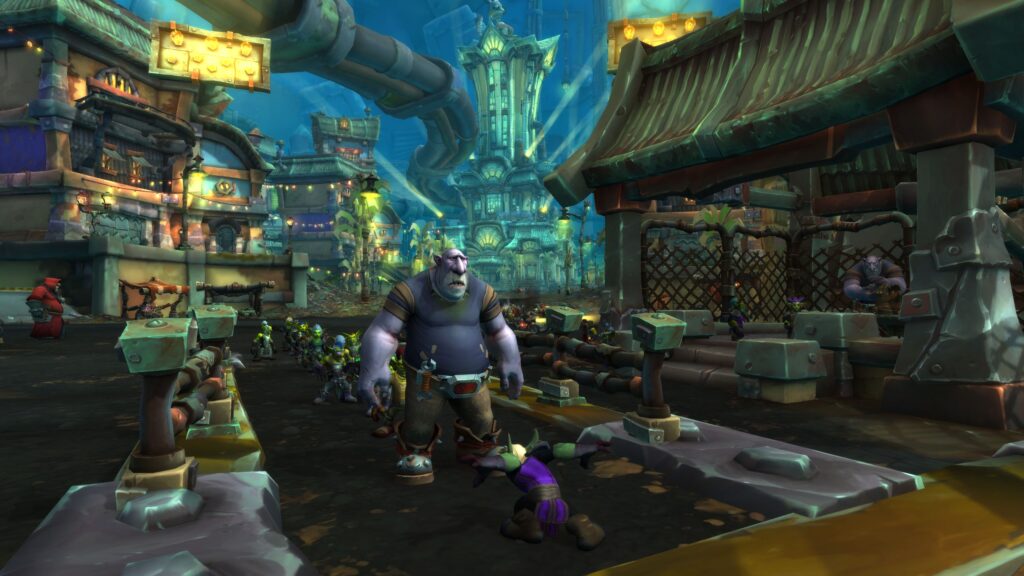
Legion, however, found a good balance with its Artifact Weapon system. While some players disliked the initial grind, the steady sense of progression and powerful traits made Artifact Weapons feel meaningful. The ability to customize your weapon through unique appearances also added an extra layer of personalization, ensuring that progression felt rewarding rather than like an endless treadmill.
A Well-Told and Immersive Story
Storytelling is another major factor in an expansion’s long-term reputation. Some expansions, like The Burning Crusade, Wrath of the Lich King, and Legion, introduced compelling narratives that resonated with players, making their worlds feel alive. Expansions with well-developed antagonists—such as Arthas in Wrath or the Burning Legion’s return in Legion—were able to build excitement and maintain player interest throughout the expansion’s lifespan.
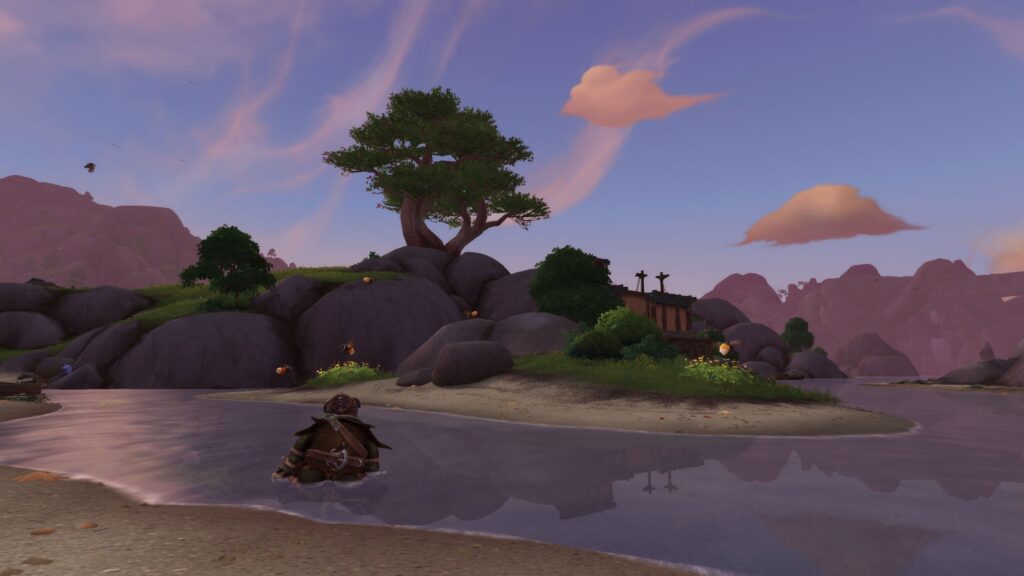
Conversely, expansions with weaker narratives tend to age poorly. Shadowlands is a prime example. The expansion introduced major lore changes that many players felt were unnecessary or forced, such as the reworking of the afterlife and the introduction of the Jailer as a supposedly all-powerful villain. The story left many players disengaged, and as a result, Shadowlands is often criticized as one of WoW’s weakest expansions.
Quality of Life and Player Freedom
Expansions that allow players more freedom in how they play tend to age better than those that heavily restrict choice. A good example of this is Legion versus Battle for Azeroth.
Legion introduced a lot of new systems—like Artifact Weapons and Class Halls—but these systems felt rewarding rather than restrictive. Players had the ability to customize their characters in unique ways, and progression felt natural. On the other hand, Battle for Azeroth’s Covenant-like system (Azerite Traits) forced players into specific choices without much flexibility. If a player made the wrong choice for their Azerite Traits, they often had to re-farm gear just to fix their build—something that led to widespread frustration.
Similarly, expansions that introduced major quality-of-life improvements—such as flying unlocks, better alt progression, and reduced grind—are often remembered more fondly than those that felt overly punishing. Expansions that force tedious daily requirements (such as the Anima grind in Shadowlands) tend to be seen as a chore rather than an engaging experience.
Conclusion
What makes an expansion age well comes down to a few key factors: engaging content that remains fun over time, balanced and rewarding progression systems, strong storytelling, and player-friendly mechanics. Expansions like Wrath of the Lich King and Legion continue to be fondly remembered because they got these things right, while others—like Warlords of Draenor and Shadowlands—struggled to keep players engaged due to a lack of meaningful content or frustrating systems.
As WoW moves forward, Blizzard has a clear history to learn from. The expansions that provided engaging, player-driven experiences are the ones that stand the test of time, and hopefully, future expansions will continue to build upon those successes.
Home


